

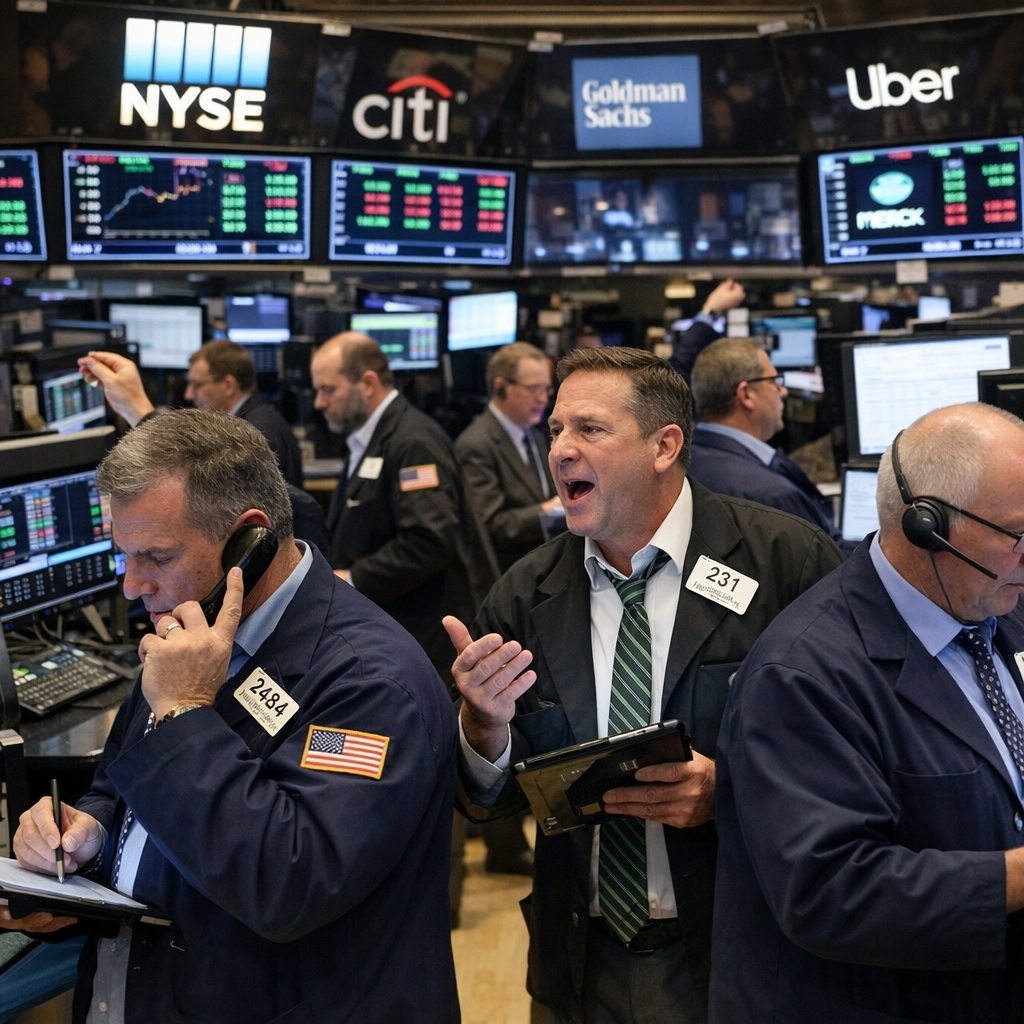
The U.S. economy is currently experiencing a complex interplay of factors affecting growth, employment, and inflation. Understanding these elements is crucial for both policymakers and citizens.
Economic Growth
Recent data indicates that the U.S. economy expanded at a sluggish 0.7% annual rate in the fourth quarter, reflecting challenges such as the previous government shutdown and ongoing trade tensions. This growth rate underscores the need for strategic economic policies to stimulate further expansion.
Employment Trends
Despite economic uncertainties, the labor market has shown resilience. In May, the U.S. added 172,000 jobs, demonstrating the market’s ability to withstand external pressures. However, certain sectors continue to face challenges, necessitating targeted interventions to support affected industries.
Inflation and Consumer Prices
Inflation remains a pressing concern, with the annual rate reaching 4.2%. This increase is partly attributed to rising energy prices and supply chain disruptions. Consumers are feeling the impact, particularly at the gas pump, where prices have surged significantly in recent months.
Federal Reserve Policies
The Federal Reserve has maintained interest rates to balance economic growth and inflation control. However, with inflationary pressures mounting, there is ongoing debate about potential rate adjustments in the near future.
Global Influences
International events, such as the conflict in Iran, have further complicated the economic landscape. The war has led to increased oil prices, contributing to higher inflation and affecting global supply chains.
In conclusion, the U.S. economy is navigating a period of uncertainty influenced by domestic policies and global events. Staying informed and adaptable is essential for individuals and businesses alike as they plan for the future.