

As the United States grapples with a complex economic landscape, recent developments have underscored the intricate relationship between economic performance and political sentiment. A CBS News/YouGov poll indicates that 70% of Americans feel “angry” or “frustrated” about the current economic situation, with only 11% expressing enthusiasm. This widespread dissatisfaction poses significant challenges for the Republican Party as the 2026 midterm elections approach.
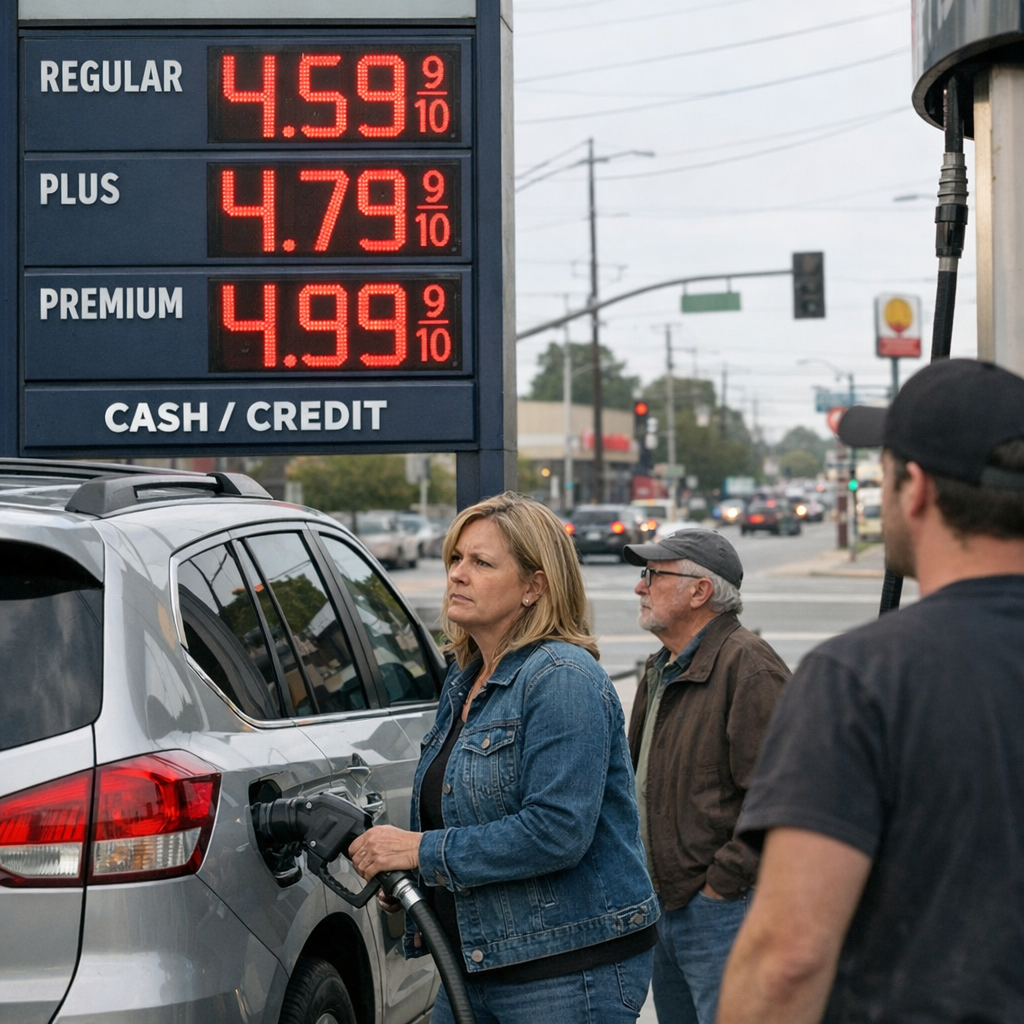
Several factors contribute to this economic unease. The ongoing military conflict with Iran has led to a surge in energy costs, with average gas prices exceeding $4.50 per gallon nationally. Inflation has risen to 3.8% in April, marking its highest point in three years. These economic pressures have resulted in declining consumer confidence and increased reliance on credit, as Americans find their incomes struggling to keep pace with rising prices.
In response, the Trump administration emphasizes tax cuts, deregulation, and energy independence as strategies to stabilize the economy. However, public approval of these measures remains low, with only 27% approving of the administration’s handling of inflation. This economic discontent is reflected in political preferences, as more Americans currently favor the Democratic Party’s economic approach over that of the Republicans.
Looking ahead, the interplay between economic conditions and political dynamics will be crucial. The administration’s ability to address economic concerns effectively may significantly influence voter sentiment in the upcoming elections. As the nation navigates these challenges, the resilience of its economic policies and political institutions will be tested.